
Last Updated: November 4, 2026
Quick Summary
Supplies for small exotic pets include a properly sized habitat, species-appropriate bedding, easy-to-clean feeding gear, water, enrichment items and a basic cleaning kit. Start with an enclosure that gives your animal room to move, climb or dig, then match the diet and bedding to its species.
- The habitat is the largest purchase and shapes the rest of the setup.
- Pine and cedar shavings can irritate respiratory tracts in small mammals.
- Wash feeding dishes and water bottles at least weekly with hot, soapy water.
- Rotate enrichment toys every week or two to keep the animal interested.
- Replace UVB bulbs on the manufacturer’s interval even if they still light.
Table of Contents
- Essential Supplies Every Small Exotic Pet Needs
- Choosing the Right Habitat and Enclosure Size
- How to Choose Safe Perches for Indoor Pet Birds
- Best Enrichment Toys for Small Animals
- Food, Bedding, and Feeding Accessories Checklist
- Exotic Pet Habitat Maintenance Tips and Replacement Schedule
- Budgeting for Ongoing Care and Your Next Shopping Step
- Frequently Asked Questions
Essential Supplies Every Small Exotic Pet Needs
Setting up for a small exotic pet means gathering the right supplies before the small exotic pets animal arrives. Exotic practitioners rely on a mix of standard veterinary equipment and products made specifically for exotic species, according to NCBI review on exotic practice equipment, so it helps to start from a clear list.
A practical starter list includes:
- A habitat sized for the species and its adult size
- Species-appropriate bedding and nesting material
- Feeding dishes and a water bottle or bowl that are easy to clean
- Enrichment items such as hides, chews and toys
- A basic cleaning kit and a plan for regular replacements
Browse our small animal care range to see what is available for your setup.
Pricing depends on quantity, dates, and delivery, so check Bestie Pets Plus’s website for current prices or a quote.
Choosing the Right Habitat and Enclosure Size
The habitat is the largest purchase you will make, and it shapes everything else. Many owners underestimate how much room a small exotic pet needs to move, climb, dig and rest away from its food and waste.
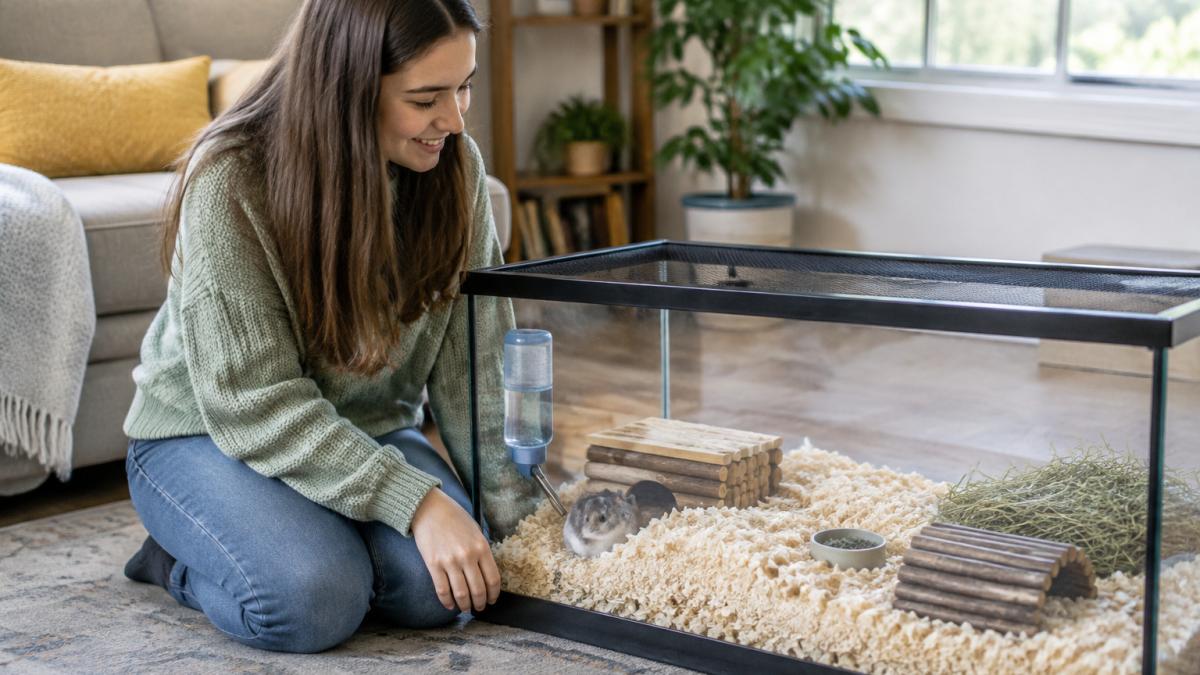
Look at the species’ natural behavior before choosing a size. Compare enclosure accessories in our reptile enclosure accessory section to match a setup to your animal.
Habitat Sizing and Environmental Requirements
Temperature, humidity and ventilation matter as much as floor space. Set up a reliable thermometer and hygrometer inside the enclosure, not only on the wall, so you can read the conditions your pet actually experiences. Keep heat sources secured so an animal cannot contact them directly.
For reptile setups, the Glass Reptile Terrarium Habitat is one option to weigh against your required dimensions and ventilation needs.
How to Choose Safe Perches for Indoor Pet Birds
Perches are a safety item as much as an accessory. Choose natural wood branches of several diameters so your bird’s feet exercise different muscles, and avoid treated lumber or wood that may contain pesticides. Check every perch for splinters, loose bark and dangling strings that could entangle a toe or neck.
Replace perches that show chewing damage or mold.
Best Enrichment Toys for Small Animals
Enrichment keeps small animals active and reduces boredom-related behavior. Look for chew toys made from untreated wood, paper-based tunnels, foraging balls and sturdy hides. Avoid toys with small parts, dyed materials or loose threads that can be swallowed.
Rotate toys every week or two so the animal stays interested. Browse our small pet toys category to compare options for your species.
Food, Bedding, and Feeding Accessories Checklist
A single generic checklist does not work across small exotic pets because a rabbit, a bearded dragon and a cockatiel have almost nothing in common at the food bowl. Use the species group below that matches your pet, then verify the specifics against a species care sheet or your exotic veterinarian before purchase.
Small mammals and rodents (rabbits, guinea pigs, hamsters, chinchillas, ferrets)
- Complete diet: Rabbits and guinea pigs need a grass-hay-based diet with a measured pellet ration; guinea pigs also need a daily vitamin C source because they cannot synthesize it. Hamsters and chinchillas use species-specific seed or pellet mixes, and ferrets are obligate carnivores that need a high-protein, meat-based diet, not a rodent mix.
- Hay and forage: Offer unlimited grass hay (timothy, orchard, or brome) to rabbits, guinea pigs and chinchillas. Avoid alfalfa as a staple for adult animals because of its higher calcium and protein levels.
- Bedding: Choose dust-free paper or aspen bedding. Avoid pine and cedar shavings, which release aromatic oils that can irritate respiratory tracts, and avoid clumping cat litter, which can cause impaction if ingested.
Birds and parrots
- Complete diet: A formulated pellet should make up the base of the diet, supplemented with fresh vegetables and a limited amount of seed and fruit. All-seed diets are linked to nutritional deficiencies over time.
- Feeding gear: Stainless-steel bowls that clip to the cage are easier to sanitize than plastic. Offer a separate shallow dish for bathing.
- Bedding and nesting: Avoid loose bedding in the cage; use paper liners under the grate. Provide nesting material only for breeding pairs and only in species-appropriate form.
Reptiles, turtles and tortoises
- Complete diet: Match the diet to the species, insectivores need live or canned insects, herbivores need dark leafy greens and appropriate produce, and omnivores need a measured mix. Gut-load insects and dust them with a calcium supplement according to species needs.
- Bedding and substrate: Choose substrate that matches humidity needs, coconut fiber or cypress mulch for tropical species, sand-soil mixes for arid species, and paper towel for quarantine setups. Avoid calcium sand, which can clump in the digestive tract.
- Feeding gear: Shallow ceramic dishes for water and food, plus tongs for offering insects. Replace water daily; reptiles often defecate in water bowls.
Cross-species feeding rules
- Wash feeding dishes and water bottles at least weekly with hot, soapy water and rinse thoroughly.
- Remove uneaten fresh food within a few hours to prevent spoilage and mold.
- Keep treats to a small share of the daily diet, a common guideline is no more than about 5-10% of intake for small mammals and birds.
Watch out: a bedding or substrate that is safe for one species can be dangerous for another, cedar shavings that some owners use for outdoor animals are not appropriate for small mammals kept indoors, and loose bedding can cause impaction in reptiles that ingest it while feeding.
Our small animal feeder category includes dishes, bottles and feeders you can match to these species needs.
The essentials differ by species group, so the feeding and bedding needs below are summarised by animal type.
| Species group | Key feeding need | Bedding to avoid |
|---|---|---|
| Small mammals and rodents | Grass hay; guinea pigs need daily vitamin C | Pine and cedar shavings; clumping cat litter |
| Birds and parrots | Formulated pellet base; limited seed and fruit | Loose bedding in the cage |
| Reptiles and tortoises | Match diet to species; gut-load and dust insects | Calcium sand |
| All species | Wash dishes weekly; remove fresh food within hours | Bleach or phenolic residue on contact surfaces |
Exotic Pet Habitat Maintenance Tips and Replacement Schedule
Cleaning routines differ by species and enclosure type, so a single schedule will either over-clean a sensitive setup or under-clean a high-waste one. Use the routines below as a starting framework, then adjust to your animal’s waste output, enclosure size and substrate depth.
Daily routine (all species)
- Spot-clean droppings and uneaten fresh food.
- Replace drinking water and rinse the water bottle or bowl.
- Check that heat sources, thermostats and UVB timers are working.
Weekly routine
- Small mammals: Replace soiled bedding and refresh the litter area; wash food dishes and water bottles with hot, soapy water. For deep-substrate setups, turn the substrate and remove waste rather than replacing it all.
- Birds: Replace cage liners, scrub food and water bowls, and wipe down perches. Rotate toys and remove any with frayed rope or chewed wood.
- Reptiles: Remove waste and uneaten prey; spot-clean the substrate surface. For tropical species, mist according to the humidity target and check the hygrometer reading.
Monthly routine
- Disinfect hides, dishes and accessories with a pet-safe cleaner, then rinse and dry fully before returning them.
- Do a partial substrate change, roughly 25-50% for bioactive or deep-substrate setups, or a full change for shallow-substrate enclosures.
- Inspect enclosure seams, mesh and latches for wear; small animals and reptiles are escape artists.
Replacement schedule for consumables
- Bedding and substrate: Full replacement every 1-2 weeks for shallow setups; every 1-3 months for deep-substrate or bioactive setups, depending on species and waste load.
- Chew toys and perches: Replace as soon as they show splintering, mold or heavy chewing damage, often every few weeks for rodents and parrots.
- Water bottles: Replace the bottle or at least the stopper and ball bearing when the flow becomes inconsistent or the bottle develops scratches that harbor bacteria.
Deep-clean protocol
- Move the animal to a secure carrier or temporary enclosure.
- Remove all substrate, dishes and accessories.
- Wash the enclosure with hot, soapy water, then apply a pet-safe disinfectant and allow the full contact time on the label.
- Rinse thoroughly and dry completely before adding fresh substrate.
- Return disinfected accessories and reset heat, lighting and humidity before putting the animal back.
Watch out: never mix cleaning products, and never use bleach or phenolic disinfectants on surfaces an animal will contact without a full rinse and dry, residue can cause respiratory and skin irritation in small species.
Keep a simple replacement log taped to the enclosure so you can track substrate changes, bulb dates and toy rotations. Our small animal care range includes cleaning supplies and replacement accessories for common setups.
Budgeting for Ongoing Care and Your Next Shopping Step
Initial setup is only part of the cost. Plan for recurring spending on food, bedding, replacement toys, cleaning supplies and an emergency veterinary fund.
Once your list is set, start with the habitat, then fill in feeding, bedding and enrichment. If you have questions about the right setup for your species, Bestie Pets Plus is happy to help you choose.
Frequently Asked Questions
What is the most low maintenance exotic pet?
Many owners of small exotic pets point to species such as certain reptiles and hedgehog-sized mammals as lower maintenance, but no animal is truly without care needs. Low maintenance usually means a predictable diet, a stable enclosure that doesn’t need daily rebuilding, and fewer handling requirements. Before buying, check whether the species is legal in your state or city, because some exotic animals require permits. Ask a veterinarian who treats exotic animals about the daily, weekly and monthly tasks each species requires.
What supplies do I need for a small exotic pet?
Most small exotic pets need an appropriately sized enclosure, species-specific food, bedding, a water bottle or bowl, hiding spots, and enrichment items such as chew toys or climbing structures. Reptiles also need heat and UVB lighting, while birds need safe perches of varied diameters. Plan for these basics before bringing your pet home so you are not improvising under stress. Pricing varies with enclosure size, brand, and how often you reorder, so check current prices directly with Bestie Pets Plus or your preferred retailer.
How do I choose safe enrichment toys for small exotic animals?
Choose toys made from untreated, non-toxic materials such as untreated wood, sturdy natural fiber, or hard plastic without small detachable parts. Avoid toys with loose strings, bells, or cords that can wrap around legs or necks. Inspect toys weekly for cracks, splinters, or frayed edges, and replace anything that is damaged. Rotating toys every week or two keeps animals interested and reduces boredom behaviors.
How often should I replace supplies in an exotic pet habitat?
Replace bedding weekly or as soon as it becomes soiled or damp, and clean water bottles and bowls daily. Perches and wooden chew items should be inspected weekly and replaced when they become worn, splintered, or heavily soiled. Enclosure substrates and décor should be deep-cleaned on a monthly schedule, using pet-safe cleaners rinsed thoroughly. Keep a simple log so you can track replacement dates and avoid running out of essential consumables.
Are there specific safety standards for exotic pet enclosures?
There is no single federal standard that covers every exotic pet enclosure in the United States, and rules differ by state and locality. Look for enclosures with secure latches, escape-proof openings sized for your animal, and materials that resist chewing and are easy to sanitize. Check your state wildlife or agriculture agency for any housing rules that apply to your species. A veterinarian familiar with exotic animals can also advise on minimum space and environmental needs.
How do I choose safe perches for indoor pet birds?
Select perches of varied diameters, using natural wood such as manzanita or untreated hardwood, so the bird’s feet get different textures and exercise. Avoid perches that are too thick for the bird to grip comfortably or too thin to support its weight. Make sure no perch sits directly over food or water, and avoid treated lumber or painted wood. Replace perches when they show cracks, splinters, or heavy droppings buildup that cannot be cleaned.
Get started with Bestie Pets Plus and build a setup that is comfortable, convenient and safe for your small exotic pet.






0 Comments