
Last Updated: October 23, 2026
Quick Summary
The best anti-bark collars for small dogs are specifically designed for their delicate necks and sensitive temperaments, using gentle corrections like vibration or sound rather than spray or static stimulation. Start with non-shock options, ensure proper fit with one finger underneath when fastened, and pair collar use with reward-based training for lasting results.
- Vibration and sound collars are the gentlest options for small dogs and work best for situational barking triggered by specific events.
- A properly fitted collar should sit high on the neck just below the jaw and allow one finger to slide underneath when fastened.
- Anti-bark collars work best when paired with reward-based training and positive reinforcement, not used as the only intervention.
- Discontinue collar use and consult a professional if your small dog shows increased anxiety, worsening barking, or skin irritation after two weeks.
- Leave a collar on for no more than 8 to 10 hours daily to prevent hair loss, skin irritation, and behavioral problems.
Table of Contents
- Understanding Anti-Bark Collars for Small Dogs
- How to Stop a Small Dog from Barking: When Collars Are Appropriate
- Collar Types: Vibration, Sound, Spray, and Static Stimulation
- No-Shock Bark Collars for Small Dogs: Humane Alternatives
- Bark Collar Size and Fit for Small Dogs
- PetSafe NanoBark Collar Review
- Safety Considerations and When to Seek Professional Help
- Frequently Asked Questions
Understanding Anti-Bark Collars for Small Dogs
An anti-bark collar is a training device that discourages excessive barking by detecting sound or vibration and delivering an automatic response, typically a beep, vibration, spray, or mild static stimulation, and the best anti-bark collars for small dogs are specifically designed to account for their delicate necks and sensitive temperaments.
Small breeds have delicate necks, lighter body weight, and sometimes heightened sensitivity, so collars designed for medium or large dogs won’t fit safely or effectively. The goal isn’t punishment, it’s interruption: a well-fitted anti-bark collar for a small dog should be snug enough to detect barking accurately but loose enough to fit one finger underneath when fastened.
At Bestie Pets Plus, we know finding the right training tool goes beyond picking a popular brand. It requires matching the correction method to your dog’s personality, ensuring proper fit, and knowing when a collar is appropriate versus when professional training support makes more sense.
How to Stop a Small Dog from Barking: When Collars Are Appropriate
Excessive barking in small dogs often stems from specific triggers: anxiety, attention-seeking, territorial response, or learned behavior. Before investing in an anti-bark collar, identify the root cause. A dog barking because they’re lonely needs a different solution than one barking at every passing sound.
Anti-bark collars work best when barking has become a habit rather than a response to genuine distress. If your small dog barks compulsively throughout the day, a collar can help break that cycle.
The research on citronella-spray collars shows mixed results. An evaluation of the Aboistop citronella-spray collar found that the collar reduced problem vocalization in three of seven dogs tested, suggesting effectiveness varies significantly between individual animals. This underscores an important reality: what works for one dog may not work for another.
Consider a collar most appropriate when:
- Your small dog barks excessively despite adequate exercise and mental stimulation
- The barking is situational but frequent (triggered by doorbells, other dogs, outdoor sounds)
- You’ve ruled out medical issues or severe anxiety with your veterinarian
- You’re pairing the collar with positive reinforcement training, not using it as the only intervention
When barking stems from separation anxiety, fear, or lack of socialization, professional training or behavioral modification should come first.
Never use a bark collar as a quick fix for deeper behavioral or medical issues. If your small dog suddenly increases barking or shows signs of stress (excessive panting, trembling, withdrawal), consult your veterinarian before continuing collar use.
Collar Types: Vibration, Sound, Spray, and Static Stimulation
Vibration and Sound-Based Correction
Vibration and sound-based collars represent the gentlest correction options and appeal to many small-dog owners specifically because they don’t involve spray or electrical stimulation. An adjustable dog anti-bark collar lets you calibrate the response to your dog’s specific barking pattern.
Vibration collars create a subtle physical sensation against your dog’s neck when barking is detected; the interruption itself, not discomfort, teaches the dog to associate barking with the vibration. Sound-based collars emit a high-pitched beep that serves the same function.
The appeal for small breeds is clear: these methods are less intense than spray or static options, and a vibration or beep is less likely to cause fear or anxiety than more forceful corrections.
Adjustable sensitivity matters with vibration and sound collars. A collar set too sensitive will trigger on every tiny vocalization or even on other dogs’ barking nearby; set too low, it won’t respond to the problem behavior.
Start with the lowest sensitivity setting and increase gradually. Many owners find their small dog responds to a beep alone after a few days, making vibration unnecessary. This progression often produces faster results than starting with maximum intensity.
Spray and Static Options
Spray collars release a burst of citronella or unscented spray toward your dog’s face when barking is detected. The smell and sensation interrupt the barking without physical contact.
Both spray and static collars trigger more decisively than vibration or sound alone, which appeals to owners whose dogs haven’t responded to gentler methods. A remote dog training collar offers an alternative approach for owners who want manual control over corrections.
Spray collars have a practical limitation: they work only when the collar has liquid remaining, and refilling adds ongoing costs. They also may not function well in wet conditions or for dogs with sensitive noses.
The key difference is intensity. If your small dog has learned to ignore beeps and vibration, a spray or static collar may produce faster results, but the trade-off is higher stress potential and greater risk of side effects like fear of the collar itself or increased anxiety.
No-Shock Bark Collars for Small Dogs: Humane Alternatives
The term “no-shock” or “non-shock” bark collar typically refers to any collar that doesn’t use electrical stimulation, including vibration, sound, and spray options.
Reward-based training remains the gold standard among professional trainers and veterinary behaviorists. For dogs sensitive to stimulation, an automatic ultrasonic dog bark deterrent provides a humane option that doesn’t use shock or spray.
Environmental management prevents barking before it starts. If your small dog barks at passing dogs from the window, closing blinds eliminates the trigger.
Desensitization and counterconditioning work well for trigger-specific barking. If your small dog barks at the doorbell, gradually expose them to the sound at low volumes while providing treats, raising the volume as they stay calm.
For small dogs especially, combining a collar with reward-based training accelerates results. The collar interrupts the barking habit, and treats reinforce quiet moments. This pairing, interruption plus reward, teaches faster than either method alone.
Humane doesn’t mean ineffective. Reward-based training works best long-term, but pairing it with a non-shock collar can speed up the process for dogs with established barking habits.
Bark Collar Size and Fit for Small Dogs
Proper fit is non-negotiable for small-dog bark collars. A collar too loose won’t make consistent contact with the bark-detection sensor. One too tight restricts airflow and causes discomfort.
To fit a collar correctly on your small dog:
- Measure neck circumference with a soft measuring tape
- Ensure the collar sits snugly but allows one finger to slide underneath when fastened
- Check that the sensor (usually a small protrusion on the underside) makes firm contact with the skin
- Inspect daily for hair matting or skin irritation, especially during the first week
Most small-dog bark collars are designed for dogs weighing between 5 and 25 pounds, though specific weight ranges vary by model. Collars marketed for toy breeds typically accommodate neck sizes from 5 to 8 inches. Standard small-breed collars usually fit 8 to 12 inches. Always verify the manufacturer’s specifications before purchasing.
Collar material matters too. Lightweight nylon or plastic reduces neck strain compared to heavy leather or reinforced materials. Waterproof collars are preferable if your small dog spends time outdoors or you bathe them frequently, since moisture can interfere with sensor function and cause skin irritation.
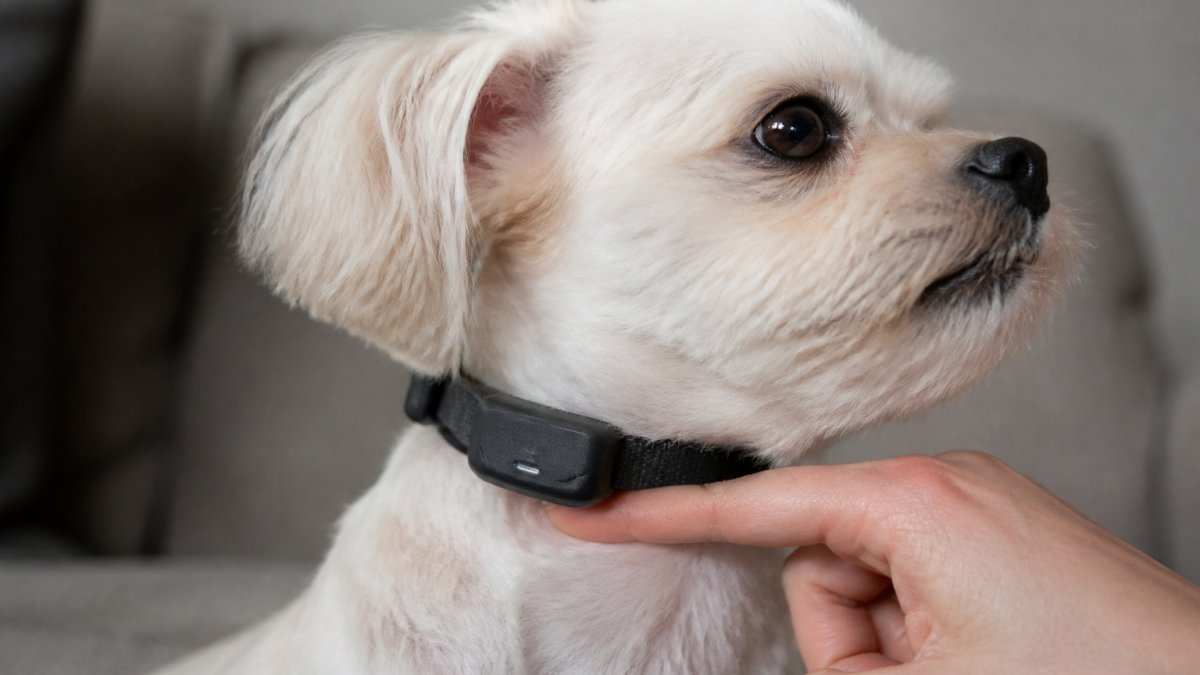
Check the fit weekly as your small dog grows or gains weight. What fit perfectly in month one may become too tight by month three. Adjust straps or switch to a larger size if needed; a restrictive collar defeats the training purpose and risks neck injury.
PetSafe NanoBark Collar Review
The PetSafe NanoBark represents one of the most widely available options specifically designed for small dogs.
The PetSafe NanoBark suits small dogs under 10 pounds with situational barking (triggered by specific sounds or events) rather than compulsive vocalization. It’s an excellent choice for first-time collar users or those prioritizing gentleness over maximum correction intensity.
Safety Considerations and When to Seek Professional Help
Anti-bark collars carry real risks if misused, especially on small dogs whose necks are delicate and sensitive to pressure.
False triggers are another concern. A collar set too sensitively may activate when other dogs bark nearby, creating confusion about what triggered the correction.
Multi-dog households face a particular challenge: a collar on one dog may activate when another dog barks, punishing the wrong animal.
Watch for signs that a collar isn’t working or is causing stress:
- Increased anxiety, trembling, or avoidance of the collar
- Barking that worsens rather than improves after two weeks
- Skin irritation, hair loss, or visible discomfort at the collar site
- Behavioral changes like aggression or excessive fear
If any of these appear, discontinue collar use and consult a certified professional dog trainer or veterinary behaviorist. Many small-dog behavior issues benefit from medication (for anxiety-driven barking) combined with training, not from a collar alone.
Professional help becomes essential when:
- Your small dog’s barking is tied to anxiety, fear, or aggression
- The barking is a new behavior following a stressful event
- Your dog shows signs of pain or illness
- A collar hasn’t produced improvement after three weeks of consistent use
Bestie Pets Plus carries a range of training tools and accessories designed to support your small dog’s wellbeing, but the right tool depends on your individual dog’s needs.
| Correction Type | Best For | Intensity | Risks for Small Dogs |
|---|---|---|---|
| Vibration | Gentle interruption, anxious dogs | Low | Minimal if properly fitted |
| Sound (Beep) | First-time collar use, sensitive dogs | Low-medium | Rare; some dogs ignore it |
| Spray | Dogs unresponsive to vibration/sound | Medium | Nosepad sensitivity, cost of refills |
| Static | Severe barking, outdoor use | Medium-high | Highest risk of stress or fear |
Small-dog owners face the same barking challenges as owners of larger breeds, but the solutions must account for smaller frames and frequently more anxious temperaments.
Start with a non-shock option like vibration or sound, ensure proper fit, and pair it with reward-based training for lasting results. Browse our full anti bark collar selection to compare products and find the right fit for your small dog.
Frequently Asked Questions
Are bark collars safe for small dogs?
Safety depends on the collar type and proper fit. Vibration and sound-based anti-bark collars are generally considered more humane options for small breeds. Static collars carry higher risks for small dogs, including potential injury to their delicate necks. Ensure the collar fits snugly but not too tight, and monitor your dog for signs of stress or skin irritation. Always supervise initial use and consult your veterinarian before introducing any bark collar to a small dog.
How do you choose the right bark collar size for a small dog?
Measure your small dog’s neck circumference with a soft measuring tape while they’re in a relaxed position. Most small-dog bark collars accommodate a range of neck sizes. The collar should fit snugly enough that you can fit one finger between the collar and your dog’s neck. Check that the contact points align properly with the dog’s skin. Many quality collars offer adjustable straps to ensure a secure, comfortable fit as your dog grows or if weight fluctuates.
What’s the difference between vibration, sound, and spray bark collars?
Vibration collars deliver a gentle vibrating sensation when your dog barks, providing tactile feedback without noise or spray. Sound-based collars emit a beep or ultrasonic tone as a deterrent. Spray collars release a harmless citronella or similar scent when barking is detected. Vibration and sound options can be effective for small dogs. Spray collars may be less consistent, as effectiveness varies by individual dog and environmental conditions.
Can bark collars help with separation-related barking?
Bark collars may reduce the frequency of separation-related barking, but they address the symptom rather than the underlying anxiety. Separation anxiety often requires behavioral training, gradual desensitization, or professional help from a certified trainer or veterinary behaviorist. Using a bark collar alongside positive reinforcement training and addressing the root cause of anxiety produces better long-term results than relying on the collar alone. Consult a professional before using any correction device for anxiety-driven behavior.




0 Comments